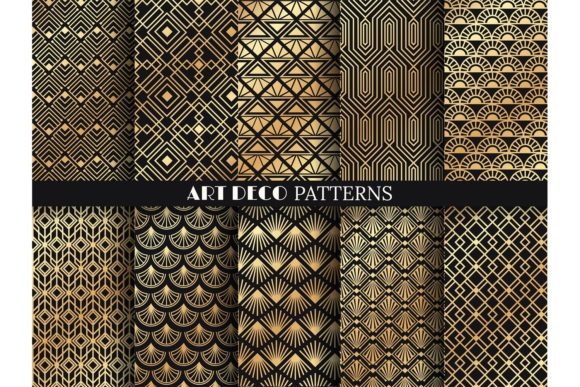
Art Deco Pattern: The Elegance of Golden Minimalism and Vintage Geometric Arts
Art Deco pattern is a design style that has captivated artists, designers, and historians for decades. Emerging in the 1920s and 1930s, it represents a fusion of modernity and luxury, blending geometric shapes with ornate details. Today, its influence can be seen in everything from architecture to fashion, and even digital design. This article explores the essence of Art Deco patterns, their historical significance, and how they continue to inspire creativity in the modern world.
What Is an Art Deco Pattern?
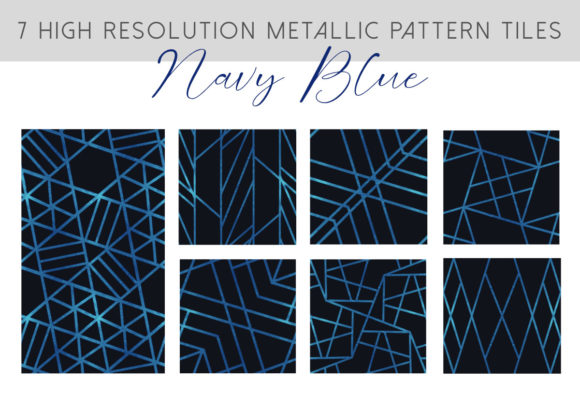
An Art Deco pattern is characterized by its use of bold, symmetrical shapes, clean lines, and a sense of elegance. It often incorporates elements of geometric art, deco line ornate, and golden minimalism. These patterns are not just decorative—they serve as a visual language that communicates sophistication and refinement.
The term "Art Deco" comes from the 1925 Exposition Internationale des Arts Décoratifs et Industriels Modernes in Paris, where this new style was first showcased. It was a reaction against the more elaborate and organic designs of the previous era, such as Art Nouveau. Instead, Art Deco embraced industrial materials, symmetry, and a streamlined aesthetic.
The Key Elements of Art Deco Patterns
Several key elements define an Art Deco pattern:
- Geometric Shapes: Triangles, circles, and rectangles are commonly used to create a sense of order and balance.
- Ornate Details: While minimalist in structure, Art Deco patterns often feature intricate details that add a touch of luxury.
- Golden Color Palette: Gold, silver, and other metallic hues are frequently used to enhance the opulence of the design.
- Seamless Composition: Art Deco patterns are often designed to be seamless, allowing them to repeat without visible breaks.
These elements work together to create a design that is both visually striking and highly functional. Whether applied to textiles, wallpaper, or digital graphics, Art Deco patterns bring a sense of timeless beauty to any medium.
The Purpose and Significance of Art Deco Patterns
Art Deco patterns were originally created to reflect the optimism and technological progress of the early 20th century. They symbolized a break from the past and a move toward a more modern, industrialized future. However, their appeal extends far beyond their historical context.
In today's design world, Art Deco patterns are valued for their versatility and adaptability. They can be used in both traditional and contemporary settings, making them a popular choice for interior design, graphic design, and even fashion. Their ability to blend simplicity with complexity makes them ideal for creating a sense of luxury without overwhelming the viewer.
How Art Deco Patterns Fit Into Modern Life
Art Deco patterns are not just relics of the past—they continue to play a significant role in modern life. Here are a few ways they are relevant today:
- Interior Design: Many homeowners and designers use Art Deco patterns in their living spaces to add a touch of elegance and sophistication. From wall murals to furniture upholstery, these patterns can transform a room into a stylish retreat.
- Graphic Design: In the digital age, Art Deco patterns are often used in logos, branding, and web design. Their clean lines and geometric forms make them ideal for creating a modern, professional look.
- Fashion: Runways and fashion magazines frequently feature Art Deco-inspired designs. From jewelry to clothing, the influence of this style is evident in many high-end collections.
- Technology: Even in the realm of technology, Art Deco patterns can be found. User interfaces, app icons, and website layouts sometimes incorporate these classic designs to evoke a sense of nostalgia and refinement.
By integrating Art Deco patterns into various aspects of daily life, people can enjoy the beauty and functionality of this timeless style.
Understanding the Difference Between Art Deco and Other Styles
While Art Deco shares some similarities with other design movements, it has its own unique characteristics. For example:
- Art Nouveau: Unlike Art Deco, which favors geometric shapes, Art Nouveau is known for its flowing lines and natural motifs.
- Modernism: Modernist design focuses on simplicity and function, whereas Art Deco embraces ornamentation and luxury.
- Baroque: Baroque art is highly ornate and dramatic, while Art Deco is more structured and refined.
Understanding these differences helps clarify the distinct identity of Art Deco patterns and their place in the broader design landscape.
Creating and Using Art Deco Patterns
If you're interested in incorporating Art Deco patterns into your projects, there are several ways to do so:
- Vector Files: Many Art Deco patterns are available as vector files, such as EPS10 files. These files allow for easy editing and scaling, making them ideal for professional design work.
- Design Software: Programs like Adobe Illustrator enable users to customize and manipulate Art Deco patterns. If you want to separate elements, remove parts, or edit details, a vector editor is essential.
- Free and Paid Resources: There are numerous online resources where you can find Art Deco patterns, both free and paid. These can be used for personal or commercial projects, depending on the licensing terms.
Whether you're a designer, artist, or hobbyist, understanding how to work with Art Deco patterns can open up new creative possibilities.
Conclusion
Art Deco patterns represent a perfect blend of geometric gold minimal ornaments and seamless elegant designs. Their enduring appeal lies in their ability to combine simplicity with sophistication, making them relevant in both historical and modern contexts. By exploring the origins, elements, and applications of Art Deco patterns, we gain a deeper appreciation for their impact on design and culture.
Whether you're looking to decorate your home, create a logo, or simply admire the beauty of this style, Art Deco patterns offer a timeless source of inspiration. With the right tools and knowledge, anyone can harness the power of this iconic design movement.