Mixed Color: A Versatile Design for Modern Creativity
In today's fast-paced world, design trends evolve rapidly, and the demand for adaptable, elegant patterns has never been higher. One such trend that continues to gain traction is Mixed Color—a dynamic and versatile aesthetic that blends multiple hues into a cohesive, visually appealing composition. This style is particularly well-suited for fabric patterns, offering a fresh and modern approach to both fashion and interior design.
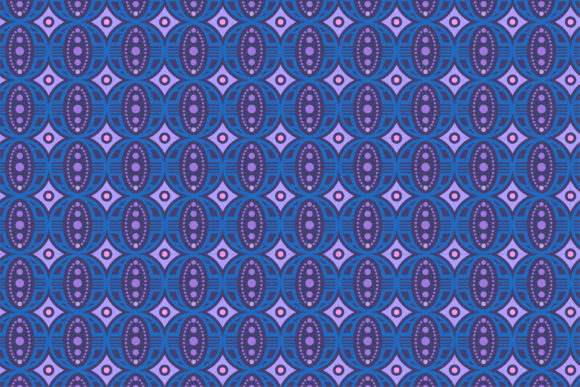
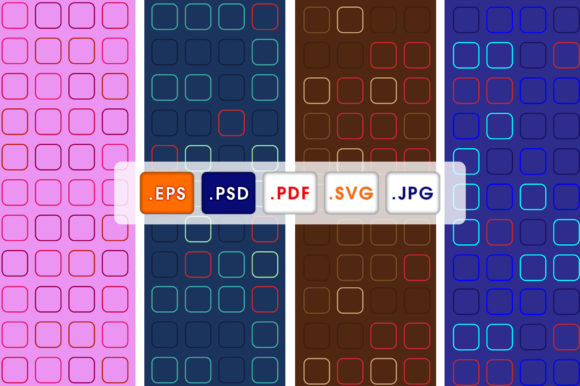
The smooth and modern Classic Fabric pattern exemplifies the potential of Mixed Color. With its refined balance of colors and subtle texture, it provides a sophisticated base for a wide range of applications. From clothing to home decor, this pattern offers a timeless yet contemporary look that can be tailored to fit various styles and preferences.
Why Mixed Color Matters in Today’s Design Landscape
The rise of Mixed Color reflects broader shifts in consumer behavior and creative practices. As people become more conscious of their surroundings and personal expression, there is a growing desire for designs that are both functional and aesthetically pleasing. Mixed Color patterns offer a way to achieve this balance, allowing individuals and businesses to stand out without overwhelming their audience.
This trend also aligns with the increasing emphasis on sustainability and versatility in design. By using a single, adaptable pattern across multiple products, creators can reduce waste and streamline production processes. For example, a single Mixed Color fabric design can be used for shirts, dresses, pillows, and even wall art, making it an efficient choice for both small-scale artisans and large brands.
Trends Shaping the Future of Design
Modern design is increasingly influenced by digital tools and platforms that enable seamless collaboration and customization. The availability of high-quality file formats like EPS, JPG, PNG, PDF, and SVG makes it easier than ever to integrate Mixed Color patterns into different projects. Whether you're creating a new line of clothing or designing a digital poster, these files ensure consistency and quality across all mediums.
Moreover, the shift toward remote work and online shopping has heightened the importance of visual appeal in digital spaces. A well-designed pattern can make a significant difference in how a product is perceived, whether it's on a website, social media, or an e-commerce platform. The Classic Fabric pattern, with its clean lines and balanced color scheme, is ideal for these environments, helping to create a professional and polished look.
Practical Applications for Creators and Businesses
For designers and entrepreneurs, the Mixed Color pattern presents a valuable opportunity to expand their offerings without compromising on quality. The flexibility of the design allows for easy customization, enabling creators to experiment with different color combinations and layouts. This adaptability is especially useful for those working in fashion, where trends change frequently and the ability to pivot quickly is essential.
Businesses can also benefit from incorporating Mixed Color into their branding and marketing strategies. A consistent visual identity across all touchpoints—whether in print, digital, or physical formats—helps to build recognition and trust. The Classic Fabric pattern, with its elegant simplicity, can serve as a strong foundation for logos, packaging, and promotional materials, reinforcing a brand's commitment to style and sophistication.
How to Leverage Mixed Color in Your Projects
If you're looking to incorporate Mixed Color into your work, start by understanding the key elements that define this style. Focus on harmonizing colors rather than clashing them, and prioritize simplicity to maintain a clean and professional appearance. Experiment with different textures and patterns to find what works best for your specific needs.
When selecting a pattern like the Classic Fabric design, consider the intended use and audience. For example, a more subdued version of Mixed Color might be appropriate for a corporate setting, while a bolder variation could work well for a creative or artistic project. The availability of multiple file formats ensures that you can easily adjust the design to suit your requirements.
Real-World Examples and Recommendations
Many successful brands have already embraced the power of Mixed Color in their designs. Fashion houses use these patterns to create statement pieces that capture attention while maintaining a sense of elegance. Interior designers incorporate them into textiles and wall coverings to add depth and character to living spaces. Even digital artists and graphic designers use similar concepts to enhance their visual storytelling.
For those just starting out, a good strategy is to begin with small projects and gradually expand your use of Mixed Color. Create a mood board to explore different color combinations, and don't be afraid to seek inspiration from nature, architecture, or other design disciplines. The key is to find a balance that resonates with your personal style and the needs of your audience.
Looking Ahead: The Continued Relevance of Mixed Color
As design continues to evolve, the appeal of Mixed Color is likely to grow. Its ability to adapt to different contexts and its focus on balance and harmony make it a timeless choice for both creators and consumers. Whether you're looking to refresh your wardrobe, update your home, or enhance your business visuals, the Classic Fabric pattern offers a versatile and stylish solution.
By staying informed about current trends and experimenting with new design approaches, you can position yourself at the forefront of this exciting movement. The right pattern, combined with thoughtful application, can transform ordinary projects into standout creations that reflect your unique vision and values.